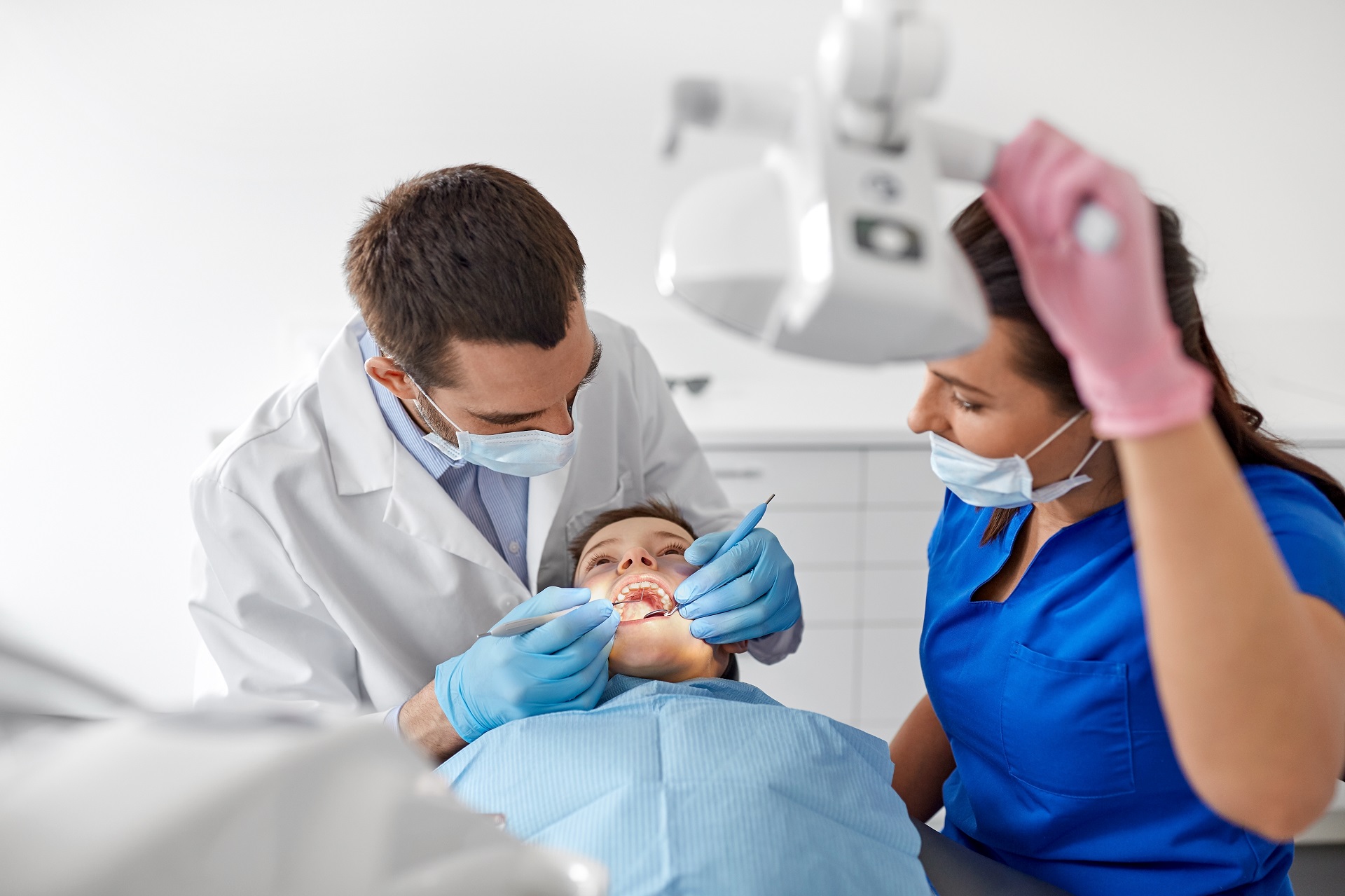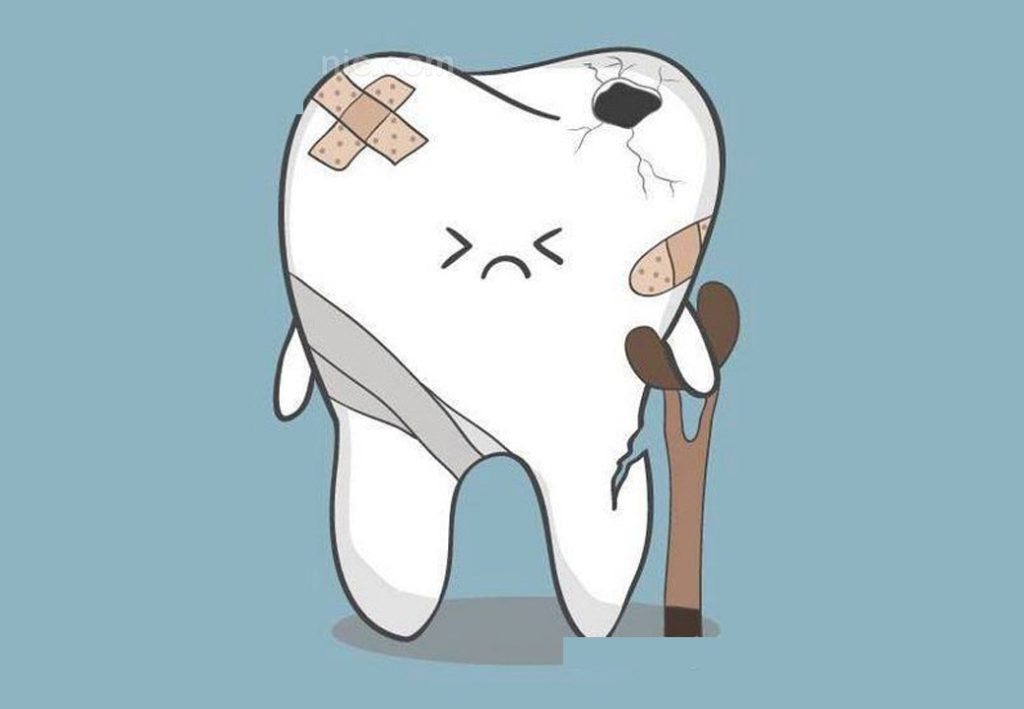
In cases where no problems other than dental injury occur after a trauma or accident, it is best for the patient to visit a dentist as soon as possible for examination and treatment of the injured tooth.
Tooth trauma can happen at any age, but it is more common in children (during the primary teeth period) between 1-3 years of age. During the mixed dentition period, when both primary and permanent teeth are present in the mouth, the highest likelihood of tooth trauma occurs between 8-14 years of age.
Traumas most often involve the anterior teeth (incisors).
The prognosis (prediction of treatment outcome) of an injured tooth depends on the stage of tooth development and the time elapsed between the incident and seeking treatment. Prompt visit immediately after the incident yields much better results compared to visiting after 24 hours.
An injured tooth is usually painful and may be loose. Another common problem after trauma is tooth fracture. Lip laceration, bleeding from gum tissues, a sensation of warmth in the tooth, displacement of teeth, movement, and looseness of teeth along with their supporting bone may also occur.
Types of Tooth Injuries Caused by Trauma:
Depending on the severity and direction of the impact, as well as whether the tooth is primary or permanent, the extent of damage to the teeth varies. These types of injuries include: 1- Tooth concussion (concussion) 2- Degrees of tooth looseness without displacement (subluxation) 3- Displacement of the tooth from its socket in the jawbone where it was naturally positioned (luxation) Tooth displacement can occur in several directions: a) Lateral movement of the tooth to the right, left, forward, or backward (Lateral luxation) b) Loosening accompanied by partial extrusion of the tooth from its socket (extrusion) c) Loosening accompanied by displacement of the tooth into its socket (intrusion) 4- Complete avulsion of the tooth from its socket (avulsion) Tooth fractures.Which Specialist Should Be Consulted for Treatment?
The treatment of a traumatized tooth depends on the type of injury sustained. Treatment of injured primary teeth is performed by a pediatric dentist or a general dentist who has the necessary knowledge and skills. Treatment of injured permanent teeth, provided there is no fracture of the jawbones, is carried out by an endodontist first and then by a restorative or prosthodontic specialist. A general dentist with sufficient knowledge and skills can also perform most of these treatments. Sometimes, orthodontic treatment may also be necessary. In cases of jawbone fractures, more complex treatments are required, which are performed by oral and maxillofacial surgeons. This excludes the complete avulsion of a tooth from its socket, which will be explained separately.Treatment of Traumatized Teeth May Include One or More of the Following:
- Smoothing the rough edges of the tooth
- Removal of the broken portion of the crown or root
- Reconstruction of the fractured part using the broken fragment or restorative materials (dental filling materials)
- Bonding of loose tooth fragments
- Stabilization of a loose or displaced tooth
- Various root treatments (such as vital pulp therapy or assisting the root formation of newly erupted teeth with incomplete roots)
- Orthodontic treatments
- Crowning of the teeth
Essential Recommendations:
The most important recommendation for individuals with a traumatized tooth, or for parents whose child or adolescent has experienced dental trauma, is to visit a dentist as soon as possible. If the dental visit occurs within the first few hours after the trauma, the best treatment outcomes can be achieved. Certainly, following all treatment steps and attending all sessions is necessary to ensure successful results. If the tooth crown is fractured, it is recommended to preserve the broken fragment and bring it to the dentist. In many cases, the broken piece can be used for tooth reconstruction. It is generally recommended that the patient follow a soft diet for 2 weeks. Maintaining oral hygiene during this period is also particularly important. The patient should brush their teeth with a soft toothbrush after every meal. Sometimes, using antiseptic mouthwashes, such as chlorhexidine, for one week is advised. In cases of tissue laceration or tooth avulsion (such as injuries from falling or bicycle accidents involving contact with the ground and soil), a tetanus booster injection is necessary if more than 5 years have passed since the last vaccination.
Call now for consultation and appointment.